
Patch digitizing that sews flat with a clean, even border
Send your patch design and tell us the size and the edge you want. We build the file with full thread coverage, a border set for your edge style and lettering that stays readable, so the patch sews flat and looks sharp. You see a digital proof before you order.
- Full coverage, borders and lettering
- Merrowed, hot-cut and laser-cut edges
- Round, oval, shield and die-cut shapes
- Free revisions until you approve
What is patch digitizing?
Patch digitizing turns your artwork into a stitch file made for embroidered patches. A digitizer sets how the thread covers the patch, how the border wraps the edge, and how lettering and small shapes sit on top. The file runs on a regular embroidery machine, and the patch is cut and finished afterward.
A patch has no garment behind it, so the stitching has to cover the whole piece and hold its shape. Club badges, team crests, brand labels and name patches are common examples.
On this page
What patch digitizing means for your design
An embroidered patch is a small piece of thread-covered fabric. You sew or press it onto a garment, a bag or a cap. Patch digitizing writes the stitch file that builds it: the thread that covers the surface, the border that wraps the edge, and the lettering and details on top.
Every patch is judged up close, so the file has to be right. Gaps show, a weak border frays, and small text can fill in. We plan the coverage, the border and the stitch order together, so you get a patch that lies flat and looks clean on the first sew-out.
Why a patch needs its own file
A logo file made for a shirt does not work for a patch. A patch needs five things a shirt does not.
The thread must cover everything
A patch has no garment behind it, so any gap shows. We set the density and the stitch direction so the thread covers the whole surface.
The border needs room
A border wraps the cut edge. We keep the design a set distance inside the edge, so the border covers it and no loose thread shows.
The patch has to stay flat
Dense stitching pulls fabric inward. We add underlay and order the stitching to hold the shape, so the patch does not curl or pucker.
Small lettering needs care
Thread sinks into dense fill. We sew lettering last, set its spacing and underlay, and enlarge text that is too small to read.
Neighboring colors must meet
Where two colors touch, a gap shows the base. We overlap them slightly and set pull compensation, so the edges meet cleanly.
How patch digitizing works
Every patch order follows the same four steps. There is no account to create and no minimum order.
Send your design and patch details
Fill in the quote form. Upload your art and tell us the size, the shape, the edge and the backing you plan to use.
We plan the stitching
We set the coverage, the border and the stitch order, and we adjust details that are too small to sew. Then we send your price.
Review your digital proof
A digitizer builds the file and a second one checks it. You see the border, the thread colors and the stitch count at real size.
Approve and sew
We send the final file. We suggest a test patch first. If it needs a change, send a photo and we adjust it.
What works on a patch
Most designs can become a patch. We check four things on every file.
| Design part | Works well | What we do |
|---|---|---|
| Lettering | At least 1/4 inch tall, bold strokes | We sew it last, on top of the fill, and open up tight spacing so letters stay clear. |
| Fine lines | At least 1 mm wide | We turn thin lines into satin stitches and widen anything too fine to sew. |
| Small details | Larger than 1/8 inch | We merge tiny gaps and details, so thread does not fill them in. |
| Colors | Solid areas, three to eight colors | We turn gradients and shading into flat colors, with a stitch texture where it helps. |
Not sure your design suits a patch? Send it and we will tell you.
Before and after: patches in thread
Drag the needle to compare each original design with its stitched sample.
Design fileStitched
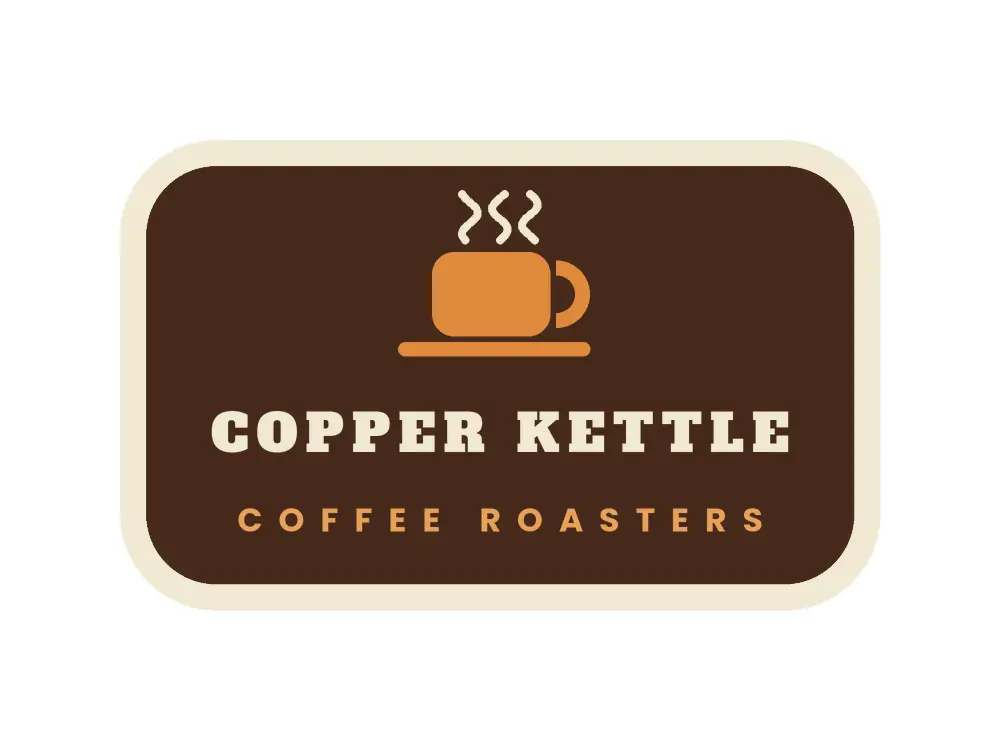
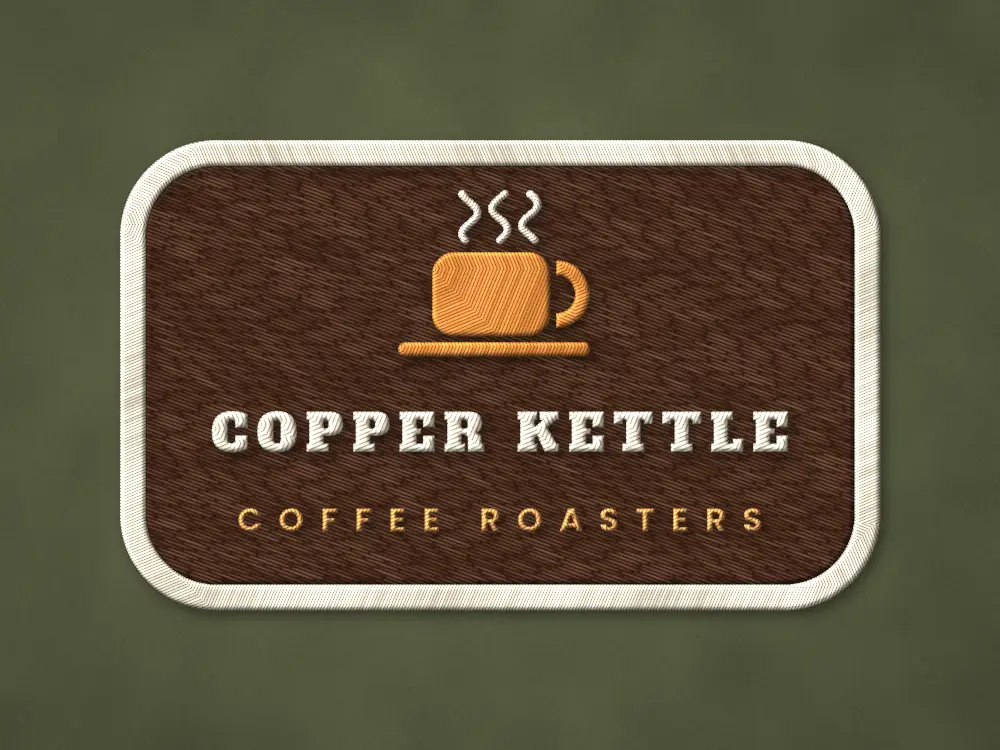
A coffee roaster's label patch
A roaster sent a flat logo. We built a full-coverage patch with a cream border, sewed the mug and the lettering on top, and kept the small line of text open.
- Full thread coverage in dark brown.
- A cream border that wraps the edge.
- Lettering sewn last, on top of the fill.
- Size
- 3.5 in wide
- Stitches
- 12,800
- Edge
- Merrowed
- Files
- DST, PES
Design fileStitched
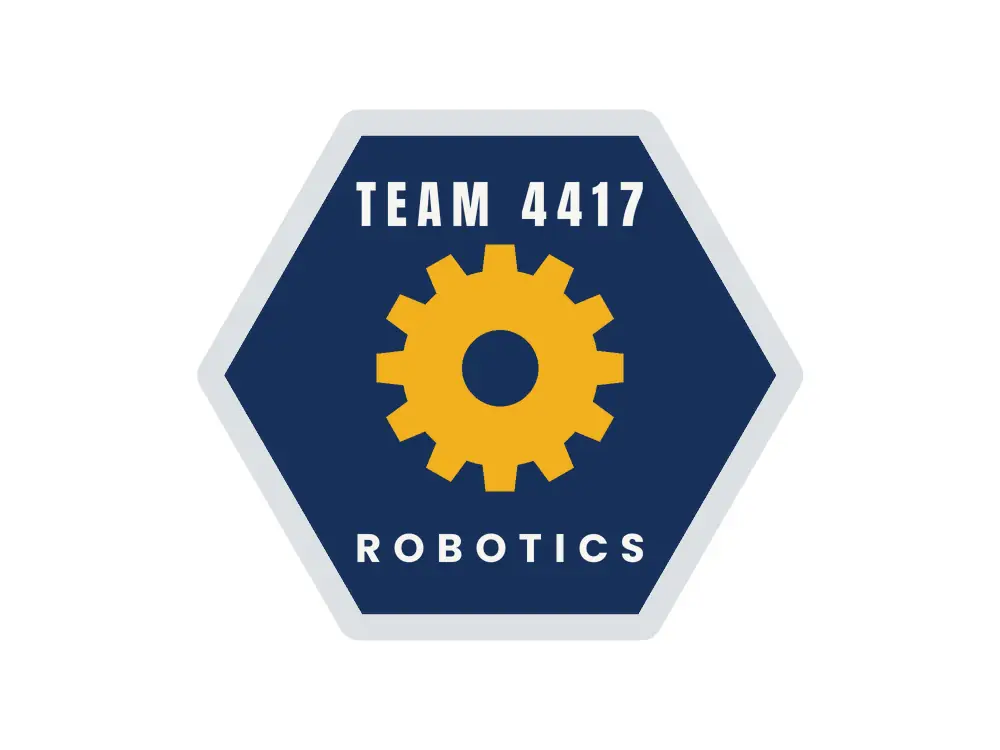
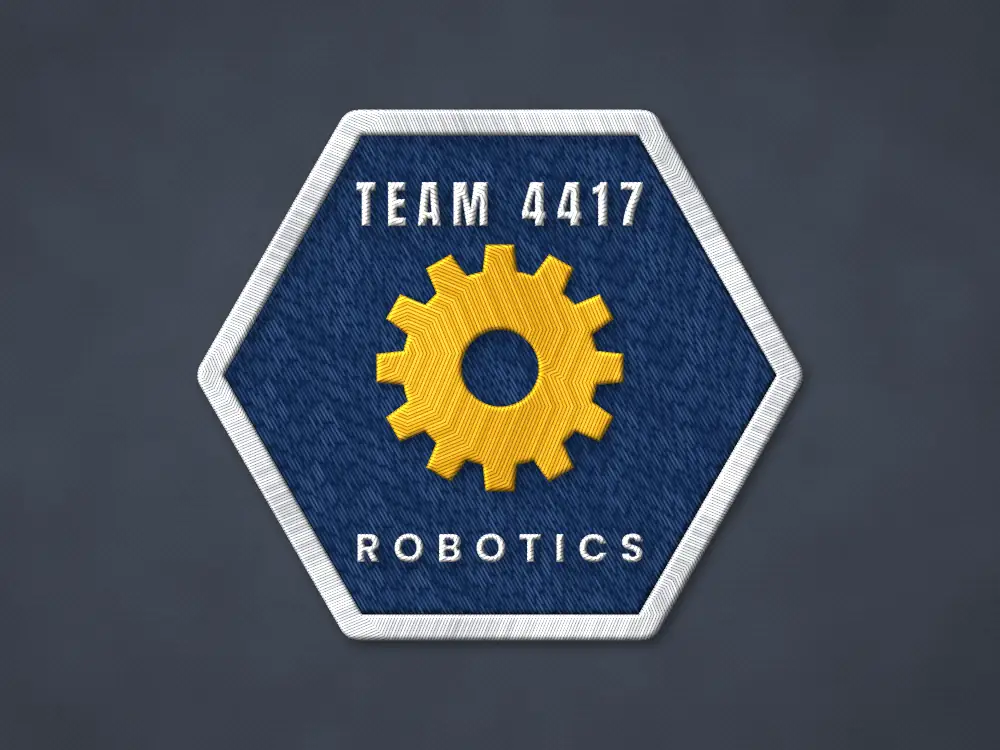
A robotics team badge
A school team sent a flat hexagon. We stitched the gear in satin so it stays smooth, set the border to follow the corners and kept both lines of text readable.
- Gear sewn in satin, not fill.
- Border follows each corner.
- Both lines of text kept open.
- Size
- 3 in wide
- Stitches
- 9,400
- Edge
- Hot-cut
- Files
- DST, EXP
Sample designs shown for layout preview.
Patch types and borders
The edge you choose changes how we build the file. Tell us which one you plan to use.
| Patch type | How the edge is made | What we set |
|---|---|---|
| Merrowed edge | A merrow machine wraps the edge in thread after the patch is cut | We stitch to the cut line and leave a clean margin for the wrap. |
| Twill base | Twill shows between the stitched details | We stitch only the design, which lowers the stitch count and keeps the patch soft. |
| Hot-cut or laser-cut | A satin border is stitched, then the patch is cut along it | We build the border so it covers the cut and no base shows. |
| Die-cut shape | Any outline, such as an animal, a state or a logo shape | The border follows the outline. We round very tight corners. |
Using a different edge or backing? Tell us and we plan for it.
What to send for a patch
The cleaner the file, the faster and sharper the result. You do not need a perfect file to start.
Best to send
- A vector file: AI, EPS, SVG or PDF
- A PNG with a clear background, at least 2,000 pixels wide
- The patch size and shape
- The edge you plan to use: merrowed, hot-cut or laser-cut
- Thread colors, or Pantone numbers if you have them
Also works
- A JPG from your website or social page
- A photo of a patch you already own
- A sketch or a photo of the design
Patch digitizing prices
The price depends on size, colors and detail. These are starting prices. Your quote is the exact figure.
| Patch | What it means | From |
|---|---|---|
| Small patch | Up to 2 inches wide, simple design | $18 |
| Standard patch | Up to 3.5 inches wide, several colors | $28 |
| Large patch | Up to 5 inches wide, detailed art | $42 |
| Extra size | The same patch in another size, ordered together | $10 |
Rush service is available. Applique and logo digitizing are priced on their own pages.
Patch designs we have digitized
A few finished patches, stitched from the files we built.
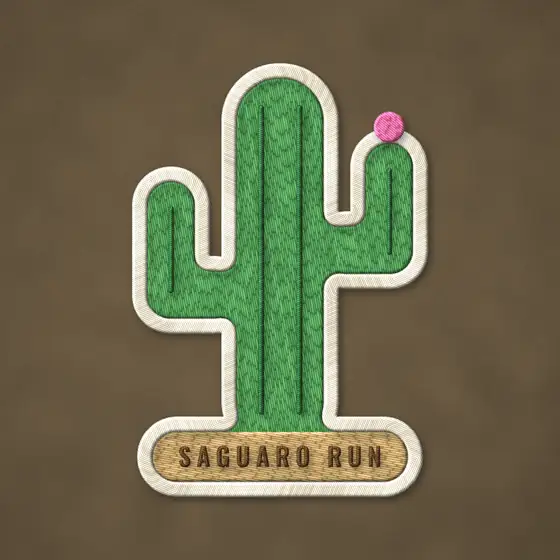
Saguaro RunA cactus-shaped patch with a border that follows the outline. 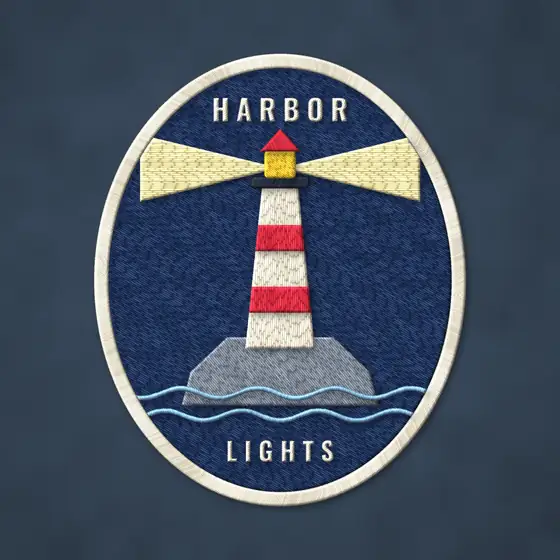
Harbor LightsAn oval lighthouse patch with two lines of lettering. 
Redwood RangersA shield patch with a green tree on a red-brown field. 
Sunset Surf ClubA striped sun and waves on a purple field.
Sample designs shown for layout preview.
Have a patch design to stitch?
Send your design, the size and the edge you want. Get a price and a digital proof before you order.
Patch digitizing questions
Can't find your answer? Send a message with the Get a Quote form and we will reply.
How much does patch digitizing cost?
Patch digitizing starts at $18 for a small patch, $28 for a standard patch and $42 for a large one. Extra sizes of the same patch start at $10. Your quote is the exact price.
How long does patch digitizing take?
Most patch files are ready in about 24 hours. A large or detailed patch can take a little longer. Rush service is available.
Do you make the patches or only the file?
We make the stitch file. Your patch maker, or your own machine, sews the patch, and the border and backing are added afterward.
What is the difference between a patch and applique?
A patch is stitched on its own and attached later, so you can remove it. Applique sews fabric pieces straight onto the garment. For fabric pieces on a garment, ask about applique digitizing.
How small can the text on a patch be?
We suggest letters at least 1/4 inch tall with bold strokes. Smaller text fills in with thread, so we enlarge it or simplify it. Send your design and we will check it.
What size can a patch be?
Most patches run from 2 to 5 inches wide. Larger patches are possible, but the stitch count and the price rise with the size. Tell us the size you need and we will quote it.
Which edge should I choose?
A merrowed edge gives the classic rolled look. A hot-cut or laser-cut edge is flatter and suits detailed shapes. If you are unsure, tell us how you will use the patch and we will suggest one.
Other digitizing services
Many patch designs also need a logo file, a clean vector or a matching cap or jacket. These services cover those and more.

Custom embroidery digitizing
Logos, lettering, monograms and other personalized embroidery, digitized from scratch. We choose stitch types and density to suit your fabric.
Best forAny design, any placement
From$12

Logo digitizing
Logo digitizing for embroidery that keeps small text readable on polos, tees and uniforms.
Best forLeft chest and sleeves
From$12

Cap and hat digitizing
Digitizing machine embroidery for caps means sewing from the center out. We cover structured caps, dad hats and beanies.
Best forFront panels and sides
From$14
Jacket back digitizing
Big designs built to keep heavy fabric flat and run time low.
Best forJacket and sweatshirt backs
From$35
Applique digitizing
Placement, tack-down and cover stitches planned so cut fabric stays put.
Best forTeam wear and letterman jackets
From$18

Vector art conversion
Turn a blurry JPG or PNG into clean AI, EPS and SVG files. Ready to digitize or print.
Best forPrint, cutting and digitizing prep
From$10
Ready to see your patch in thread?
Send your design, the size and the edge you want, and get a price and a digital proof before you order. There is no account to set up and no minimum order.